Navigation as a manipulation primitive
A vision-language navigation policy moves the humanoid from distant initial states into a manipulation-ready region.
Project Overview
A project page for one-shot whole-body manipulation with humanoid robots, combining navigation, posture calibration, and dexterous interaction under online visual feedback.
Representative whole-body manipulation across different object heights and tabletop configurations.
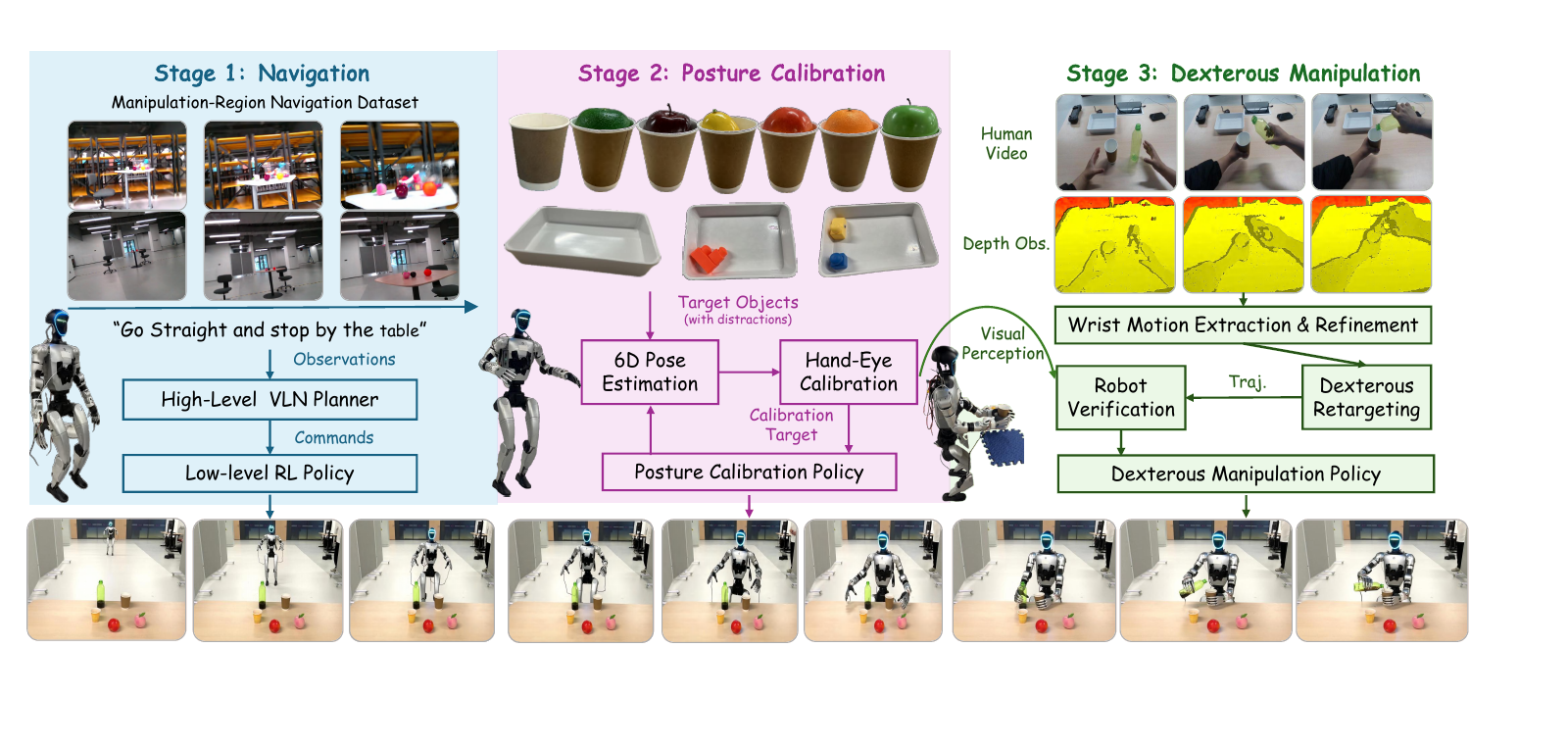
Three stages coordinate arrival, alignment, and dexterous execution.
Content
Method
The full pipeline couples locomotion, pose refinement, and manipulation into one hierarchy, while still keeping each stage interpretable and grounded in its own perceptual feedback loop.
Stage 1
A high-level VLN planner and low-level RL controller move the humanoid from arbitrary initial poses to the manipulation region.
Stage 2
6D object pose estimation and hand-eye calibration adjust the full body so the arm-hand workspace is aligned with the target.
Stage 3
Human wrist motion extraction and retargeting drive contact-rich interaction while online visual verification keeps the execution on track.
Hardware and Simulation
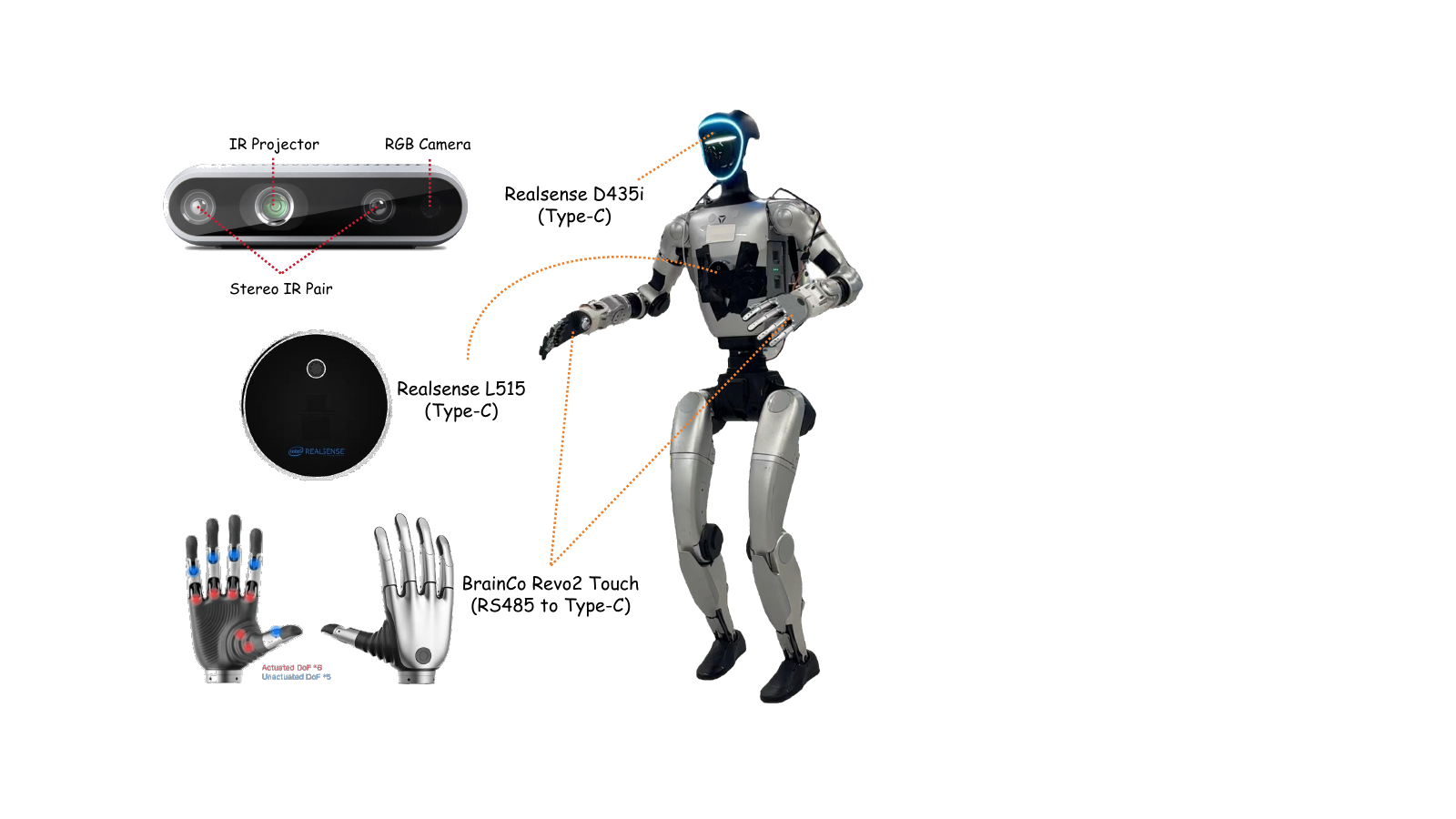
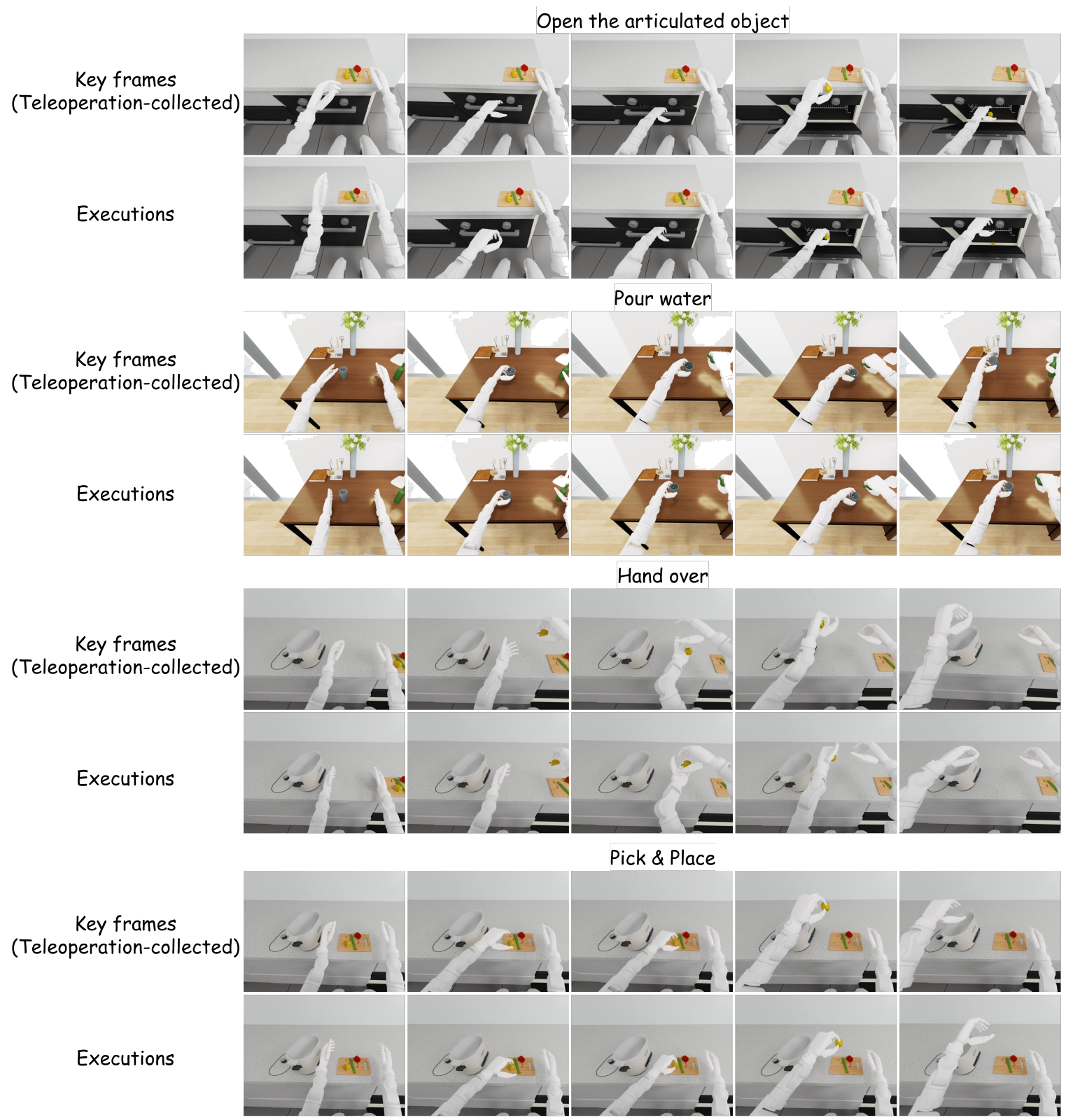
Praxis is anchored by a real humanoid setup with RGB-D sensing and dexterous hands, then stressed in simulation across long-horizon tasks to preserve key-frame fidelity and execution quality.
Autonomous Whole-Body Manipulation
The page now includes actual task videos rather than only figures. The featured clip shows long-horizon whole-body execution, and the gallery below covers representative task categories from the collected demos.
Task Video
Contact-rich pouring with stable whole-body alignment around a crowded tabletop scene.
Task Video
Articulated-object interaction where the robot must stabilize posture while pulling and aligning contact.
Task Video
Tool-use style manipulation that stresses dexterous retargeting and fine end-effector alignment.
Task Video
Structured manipulation with larger object geometry, broader reach requirements, and cluttered workspace constraints.
Generalization and Recovery
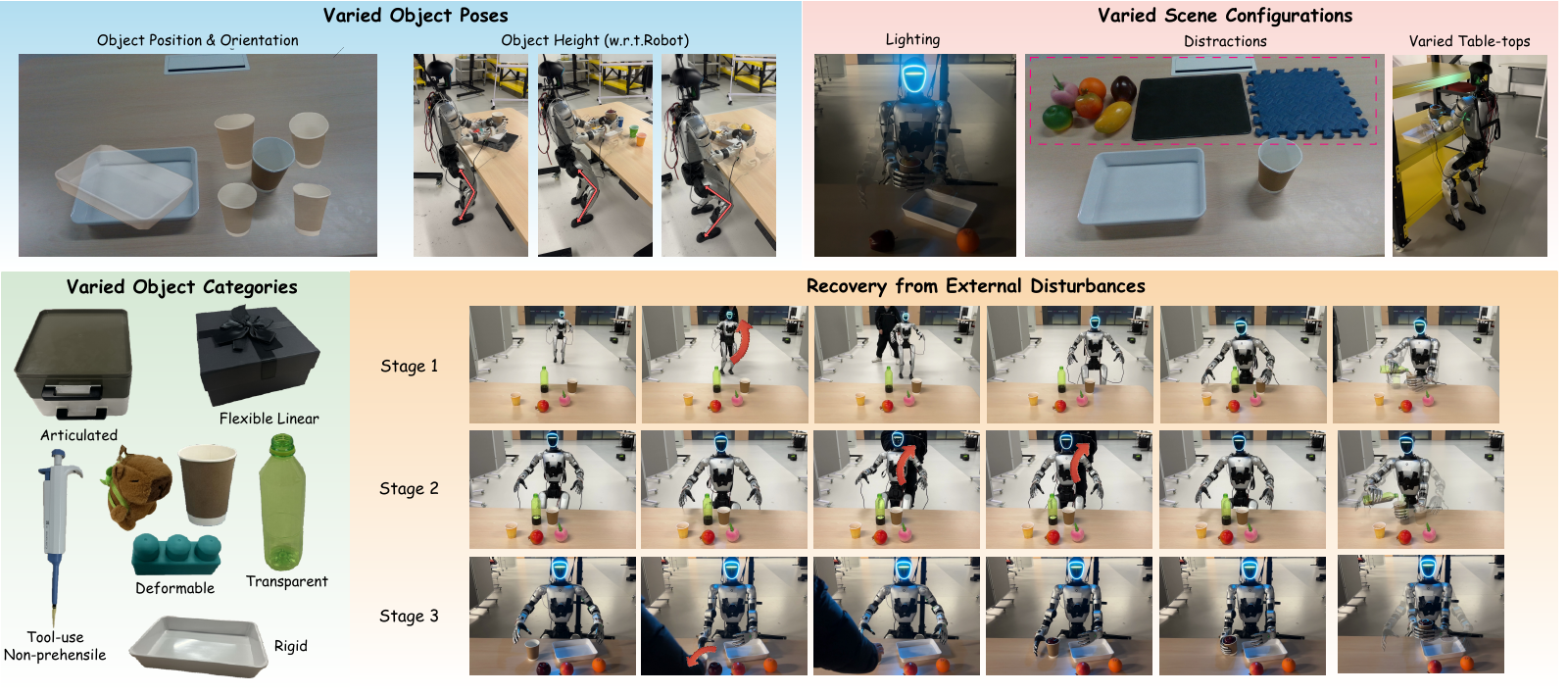
The results are not limited to one tabletop scene. Praxis transfers across object poses, heights, categories, lighting, table layouts, and physical interference while preserving task completion.
Generalization Clip
Recovery under disturbance injected during Stage 3, showing that the system can track the object's position in real time and react accordingly.
Generalization Clip
Recovery under disturbance injected during Stage 3, showing that the system can track the object's position in real time and react accordingly.
Recovery Clip
Recovery under disturbance injected during Stage 1, showing the system re-stabilizing the early whole-body process.
Recovery Clip
Recovery under disturbance injected during Stage 2, keeping the manipulation pipeline aligned after interference.
Cross-Object Experiment
In this setting, the manipulated object and the surrounding environment can be completely different from those in the human demonstration. Even under these changes, Praxis still carries the demonstrated task semantics into a new object, new support geometry, and a different local scene.
Cross-Object Clip
Transfer to a changed object and scene while preserving the demonstrated interaction pattern.
Cross-Object Clip
The robot adapts to another object and another surrounding setup that differ substantially from the human demo.
Analysis
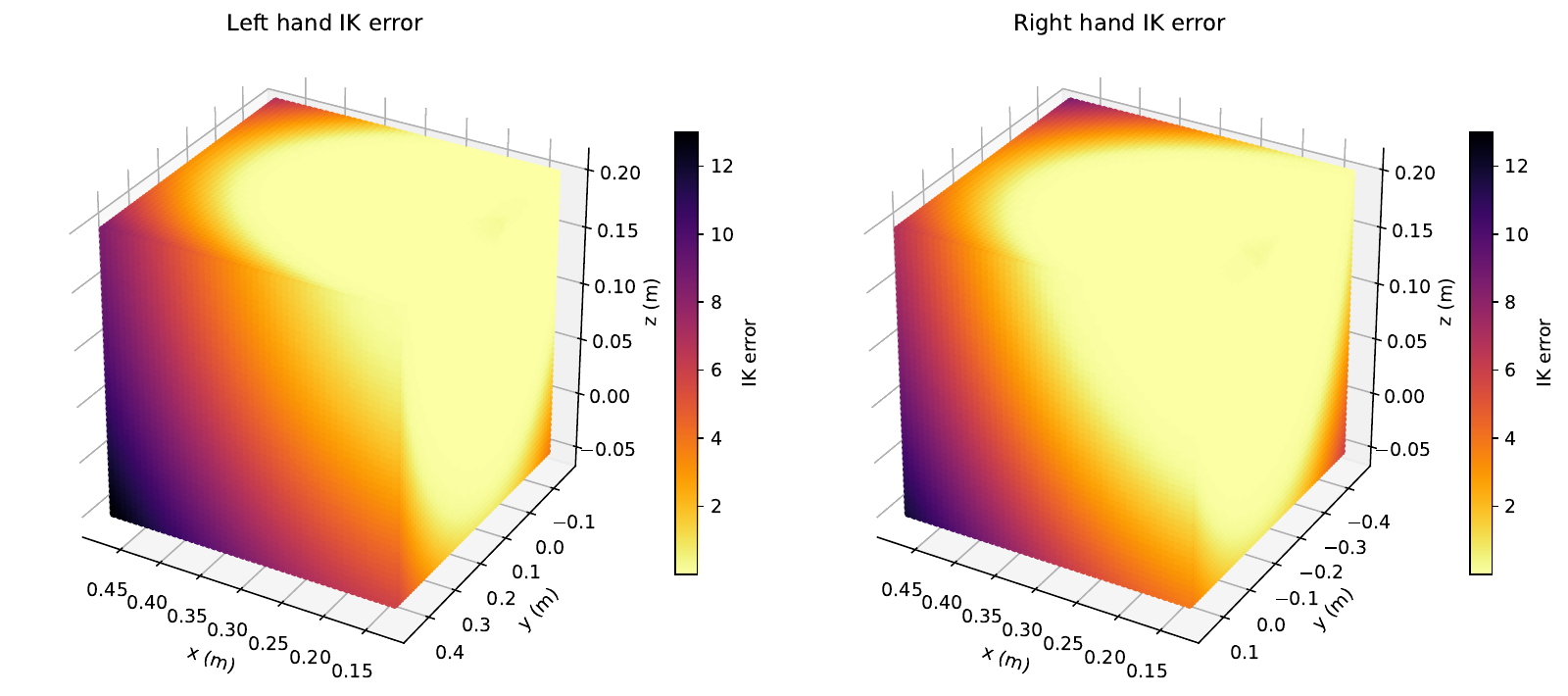
Beyond the headline numbers, the system depends on accurate dexterous retargeting and workspace-aware calibration for stable whole-body execution.
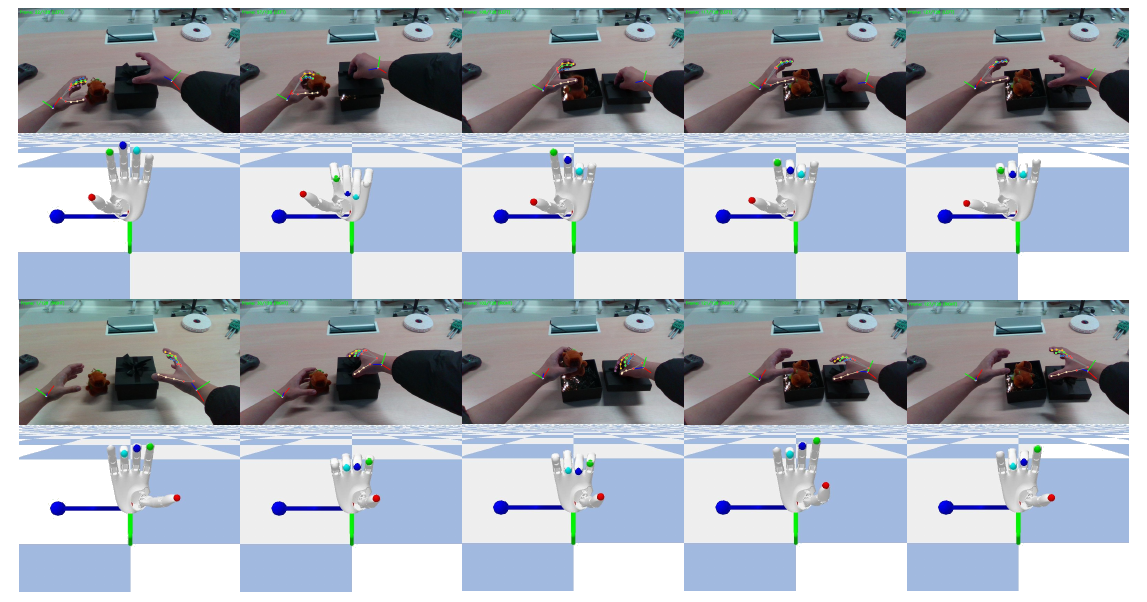
Real-Time Dex-Retargeting
A close-up real-time clip showing how the retargeted hand configuration and contact behavior stay aligned during execution.
Paper
Open the paper directly or copy the citation below.
@misc{he2026praxis,
  title={Praxis: Scaling One-Shot Human Demonstration to Generalist Policy for Whole-Body Manipulation},
  author={He, Shuliang and Xu, Ruiyan and Yue, Bo and Zhang, Hengming and Zhou, Huayi and Zheng, Wei-Shi and Liu, Guiliang},
  year={2026},
  url={static/pdfs/praxis.pdf}
}